
The Clinical "Reset": How to Take a Truly Effective Mental Health Day
In a high-pressure world, the term "mental health day" is often used as a euphemism for "playing hooky." However, from a psychiatric perspective, a mental health day is a vital clinical intervention. It is a scheduled pause designed to lower your allostatic load—the "wear and tear" on the body and brain that accumulates from chronic stress.
Taking a day off is only half the battle; how you spend that day determines whether you return to work replenished or simply more behind. Here is a practitioner’s guide to a restorative mental health day.
1. The Pre-Day Protocol: Clear the Deck
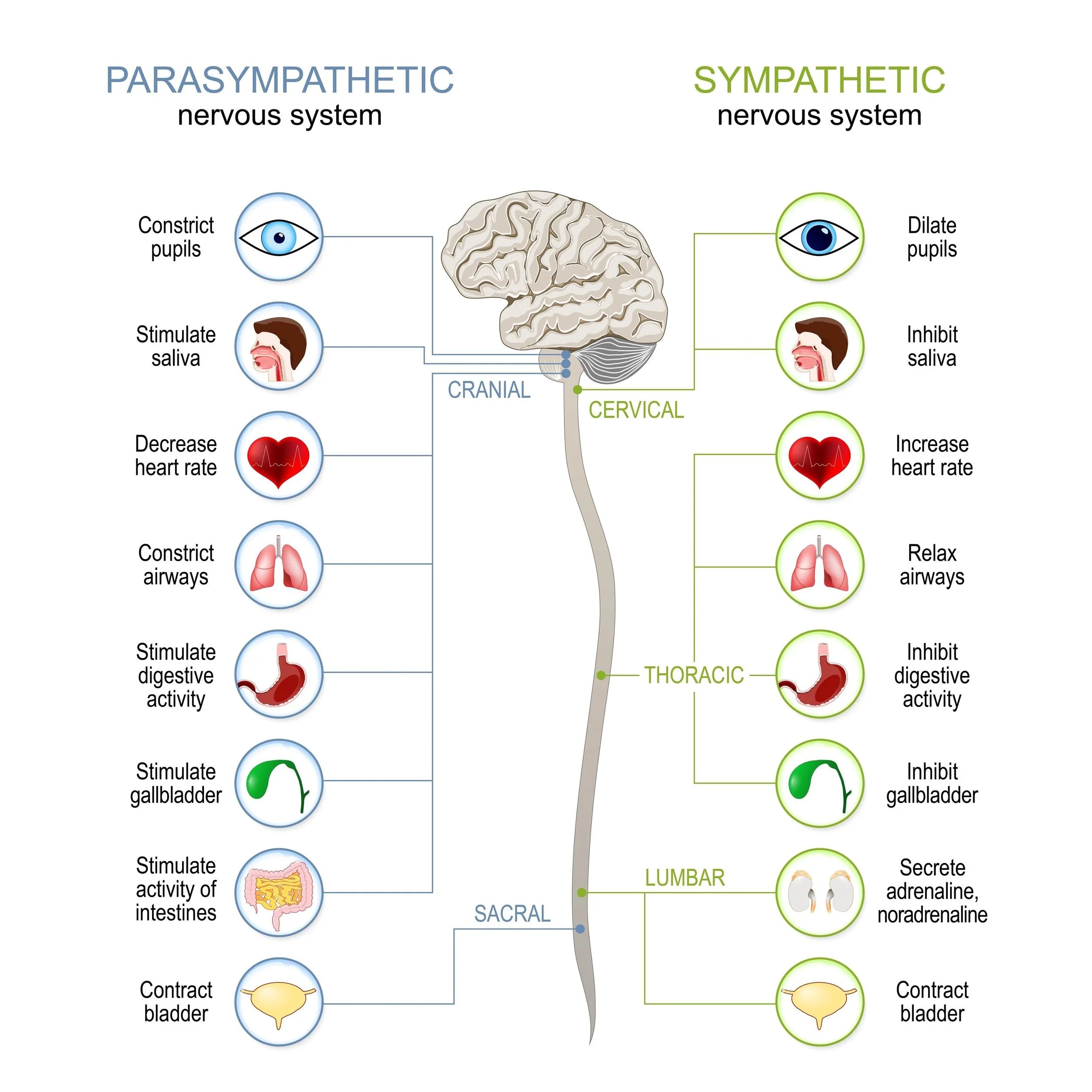
A mental health day fails if you spend the entire time feeling "productivity guilt" or checking your inbox. To activate the parasympathetic nervous system (your "rest and digest" mode), you must first silence the sympathetic nervous system ("fight or flight").
Set Hard Boundaries: Set an "Out of Office" reply. Move your work apps to a hidden folder on your phone or, better yet, turn the device off.
Lower Expectations: This is not the day to "finally clean the garage" or "run all those errands." If your "to-do" list follows you into your day off, your brain never actually leaves the office.
Shutterstock
2. Identify Your Specific Need: Depleted vs. Overstimulated
Not all burnout looks the same. Before you plan your day, ask yourself: "Am I empty, or am I overflowing?"
If You are Depleted (Low Energy, Cynical, Heavy):
You need Passive Rest. Your goal is to replenish reserves.
Sleep: Allow yourself to wake up without an alarm, but avoid "rotting" in bed all day, which can inadvertently lower your mood.
Sensory Comfort: Weighted blankets, warm baths, or soft music.
Low-Stakes Entertainment: Re-watch a "comfort" movie or read something light. Avoid heavy dramas or stressful news.
If You are Overstimulated (Anxious, Racing Thoughts, Irritable):
You need Active Regulation. Your goal is to "burn off" excess cortisol.
Somatic Movement: A long walk, yoga, or even heavy gardening. Movement helps your body process the physical remnants of stress.
Creative "Flow": Engaging in a hobby where you lose track of time—painting, cooking a complex recipe, or woodworking—helps reset the brain’s dopamine pathways.
Nature Therapy: Direct exposure to greenery or water is clinically shown to lower blood pressure and improve cognitive focus.
3. What to Avoid (The "Mood Traps")
It is easy to fall into habits that feel like "relaxing" but are actually avoidance behaviors that leave you feeling worse.
The Doomscroll: Social media is a high-dopamine, high-comparison environment. It keeps your brain in a state of "scanning for threats" or "measuring up," which is the opposite of rest.
Alcohol or Substance Use: While a glass of wine might feel like a "reset," alcohol is a central nervous system depressant that can disrupt sleep cycles and increase next-day anxiety.
Isolation vs. Solitude: Solitude is being alone by choice to recharge; isolation is pulling away out of shame or exhaustion. If you find yourself spiraling into negative thoughts, a 15-minute phone call with a trusted friend can provide the "co-regulation" your nervous system needs.
4. The "Soft Re-Entry"
The "Sunday Scaries" often hit on the evening of a mental health day. To prevent this:
The 20-Minute Prep: Spend just 20 minutes in the evening looking at your calendar for the next day. Lay out your clothes or prep breakfast. This creates a sense of "predictability" for your brain, reducing the anxiety of the unknown.
Audit Your Routine: If you find you need a mental health day every two weeks just to survive, it’s time to look at the "maintenance" of your daily life.
A Final Note
A mental health day is a treatment, not a cure. It provides the breathing room necessary to gain perspective, but it works best when paired with ongoing support—whether through therapy, medication management, or consistent lifestyle boundaries.
If you’re feeling overwhelmed and unsure where to start, reach out to a mental health professional to discuss a sustainable plan for your wellness.
Does this tone fit what you had in mind for the blog, or should we make it more clinical?
